
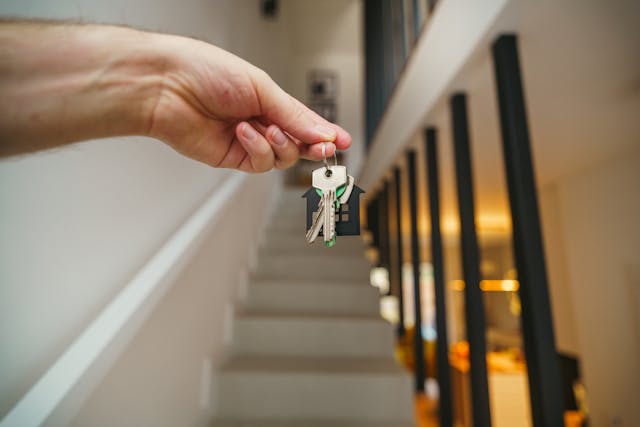
A property owner publishes false information about themselves or the rental property in issue. It could also be the terms of a lease in an effort to get money for a fraudulent offer. This is known as a rental scam. Scammers could post an ad for a rental property that is either non-existent or already occupied. Then try to get upfront money, leaving the tenant in the dark. To make these offers appear authentic, scammers could put a phony listing on a real website like Craigslist or Facebook. They might build up a website, making it harder for people to spot rental scams before it’s too late, and more difficult to find the perfect rental home.
Top Signs to Spot Rental Scams and Protect Yourself
In essence, rental scams are fraudulent rental listings. On websites like Craigslist or other online classifieds, scammers create phony advertisements posing as real estate brokers, property owners, or house management firms. Criminals often target your money or personal information. However, they occasionally target third parties’ funds and information as well. Watch out for these warning signs to spot rental scams.
The Listing is Unclear or Duplicated
Rental fraudsters can replicate a genuine listing and substitute their own contact details and other details. The rental business logo or some other kind of marking on the images may be included in the new ad, which may be a verbatim copy. In actuality, the con artist could not even be connected to the property, making it essential to insist on a proper rental apartment tour before committing.
There’s No Lease Available
It is possible that the listing or property management is not looking out for your best interests if there is no lease available. The same is true if the lease you obtain is not complete. Without a proper lease, the listing owner may alter the terms of your rental agreement at any time. Even worse, the fraudster might take your money and disappear, leaving you without any legal claim to the property.
There is No Verification of The Address
Look up the rental address online if you begin to have doubts about a property management firm. Some listings may contain addresses that are unconfirmed or nonexistent. You may also find that the property is in foreclosure. In other cases, it may be listed more than once, or the listing agent may not be a real representative of the management firm.
You are Asked to Pay in an Unusual Method or Wire Money
The listing is probably a fraud if the property manager asks you to send money. There is usually no valid reason to send money for rent, security deposits, or application costs upfront. Wiring money is especially risky. It is like transferring cash; it cannot be retrieved after it leaves your account. Reputable real estate agents will not ask you to pay with cash, gift cards, or wire transfers, especially before you view the home.
The Property Management or Listing Agent Requests Payment Before You Sign a Lease
It is a scam if a property manager or agent requests payment before you sign a lease, visit the home, or meet them in person. Committing to a rental before seeing it is dangerous. Before signing a lease or paying any fees, you should always visit the property with the agent; if you cannot, send a family member or trusted friend on your behalf.
The Property Management or Listing Agent Will Not Allow You to Take a Tour
Scammers may demand payment to view the property or claim that the owner is unavailable for a tour due to travel or other circumstances. You should never send money before visiting the property; these are all warning signs.
The Rent is Quite Cheap
It is a clear indication that the ad is fraudulent if the home is offered for significantly less than other rentals in the neighborhood. Examine the listing carefully by conducting your own research and contrasting the listed rent with that of comparable-sized apartments in the area. The price could be too good to be true if it looks that way.
How to Avoid Rental Scams
When searching for a property to rent, these are the best techniques to avoid rental scams. Since both need thorough investigation, confirmation, and trust, taking the proper safeguards is just as important as planning a move. When you choose the right movers, you can also avoid moving scams as well.
Verify the Legitimacy of the Property Listing
See if the listing shows up elsewhere with the same contact data and other important facts by checking many websites. Scammers may take over a legitimate rental or real estate listing and alter the email address or other contact details if they don’t have any actual rentals to tour. The amended ad will subsequently be posted on another listing site in an attempt to draw in tenants.
To determine whether the rent appears too low for the neighborhood, you may also check rental ads in the vicinity. If the rental fee is surprisingly low, inquire directly with the landlord or property management.
Check the Listed Contact’s Identity
You can request a business card from a landlord or property manager, even if they aren’t necessarily obliged to have one. Asking for a business license number is another option. You can also check local regulations to determine whether landlords need any additional licenses or certificates of occupancy. Ask for a real estate license number from the person you spoke with, then look it up online in your state. To confirm ownership, you may also check for property records online or through the local assessor’s office or county clerk.
Make sure your contact is who they say they are by asking for confirmation. Verify the domain name, which is everything following the “@” sign in the email address, linked to the address if they are corresponding via email. Look for further methods to confirm your contact is who they claim to be.
Take a Personal Look at the Property or Send a Trusted Person
Compared to what you can evaluate over the phone or online, this allows you to screen a lot more information. Ask a reliable local friend or acquaintance to act as a stand-in if you’re doing your search from a distance and are unable to visit. Or collaborate with a regional agency. Try exploring Street View or Street side to see whether the property matches what’s listed if you are unable to locate a local, which can also help you better adapt to a new neighborhood.
Use Reliable Sources While Exchanging Money
Because there is an easily available record, insist on paying any application fees, deposits, or rent through your bank. Use an ACH transfer, credit card, or debit card. Avoid giving payment information directly or through unsafe means. Instead, check whether the property management or landlord has a website or online service for secure rent payments. Send money only after you have taken the steps above to confirm the legitimacy of the individual or organization.
0 comments