
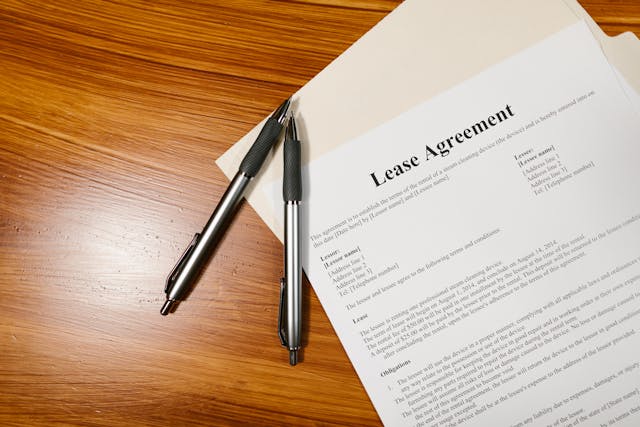
Before signing the rental lease, be certain you know what kind of lease you are signing, how long it is good for, and what the landlord and you both have to do, even if you find your dream rental. Before leasing out a condo or other home, the landlord draws up a written, legal contract, which is then reviewed and signed by the renter and landlord. The rental agreement may end early, or the tenant may be evicted if one or both parties do not comply with the terms.
Signing the Rental Lease: What is a Residential Lease or Rental?
A lease should safeguard the landlord and the renter. Carefully read the terms before signing. The lessor is the landlord, and the lessee is the renter.
Leasing vs. Renting
Most people report that they are “renting” or “leasing” a building, but they are different. Renting is usually month-by-month, and leasing is generally for longer terms. To know exactly how long your contract is, always read the terms of your lease or rental agreement carefully, and be aware of rental scams.
Requirements before you sign a lease
Before signing the rental lease, you might need the following:
Rent amount per month
That is the sum a tenant pays each month to live in or use the property. The payment amount is agreed upon in the lease and remains consistent unless both parties decide otherwise.
Term of lease
The duration of the agreement. It outlines how long you can occupy the property as long as you pay your rent on time and follow the rules. Tenants can either negotiate a new lease, extend their current one, or vacate the property when their lease expires.
Date of payment due
The day that rent is due each month. Rent is usually due on the first of the month and paid in advance. Tenants may be able to work out a different date or pay many times during the month with some landlords.
Acceptable payment methods
The lessor authorizes the lessee’s payment methods. Common payment methods include cash, direct deposit, checks, debit cards, credit cards, and payment apps; however, some of these options involve costs. Leases vary greatly in the types of payments they allow, so both parties must share their views and reach a consensus.
Deposit for security
A security deposit is a sum paid upfront to protect the landlord if the tenant damages the property or fails to pay rent. When all lease conditions are honored, the tenant is entitled to receive this money back. Most agreements outline a clear return period, usually 30 to 60 days after the lease ends. In longer rental arrangements, some landlords include additional conditions regarding how the deposit may be used.
For renters considering extra space during longer stays, long-term storage can also come into play. On the positive side, renting a storage unit long-term offers safety for valuable belongings and keeps the home decluttered. However, it requires an investment, so weighing the benefits against the cost is important before committing to this option.
Charges
A list of costs or possible fees, such as late rent and application fees. Tenant security deposits can cover these costs.
Policies for properties
There are regulations that are unique to the lessor and their property. If requested, many property policies are negotiable. The most typical policies that cover a lease appear here, while many property policies are negotiable if preferred.
Eviction
The law compels the landlord to evict a tenant from the premises. A tenant can be evicted if they break the lease terms. If you are getting evicted, search the eviction laws in your state.
Final Things to Keep in Mind Before Signing the Rental Lease
You should sign the rental lease if it’s a written lease. A legally binding agreement that outlines the obligations of the landlord as well as the tenant is a lease. The landlord and the tenant are equally vulnerable without this paper. You probably won’t be able to cancel a lease without fines after signing the rental lease, so you must carefully read the terms. Tenants can negotiate the terms of departure in case the landlord decides to cancel a lease.
0 comments